
Have you lost your job and worried about managing finances? The blog may help you understand strategies to streamline your finances under unemployment. It stabilises the cash flow and extends the financial runway as you transition back to your new job.
4 Things that you should do when you lose your job
You must focus on 4 areas after you lose your job. These are:
a) Secure your finances and benefits
Analyse your savings, create a strict budget focusing on essentials and apply for government assistance and benefits. You can apply for Jobseeker’s Benefit (JB) or means-tested Jobseeker’s Allowance. Check for the same at Mywelfare.ie with a verified Government ID.
b) Clear your dues with the last employer
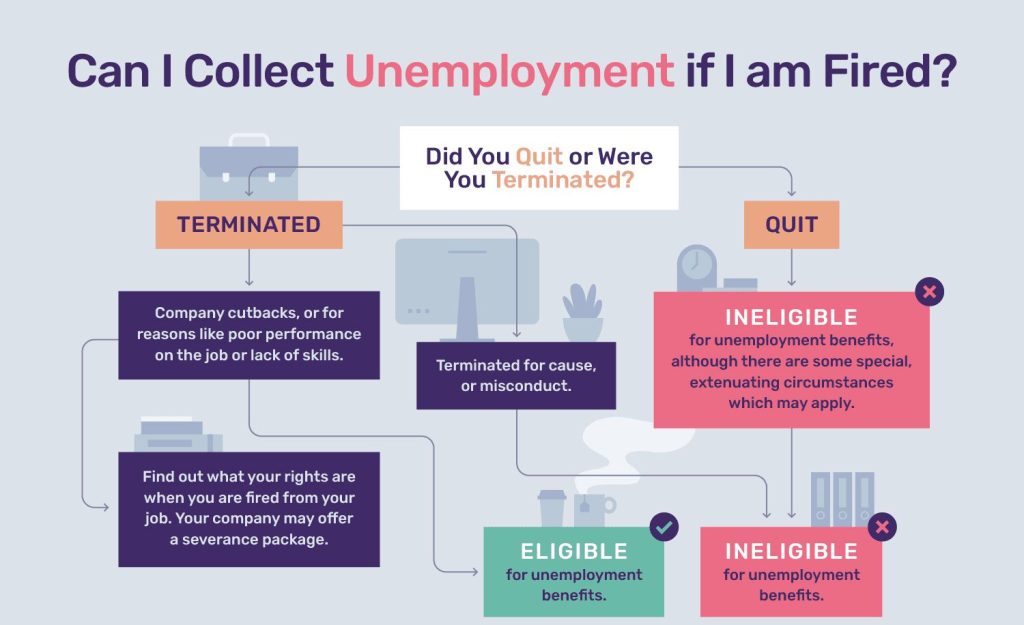
Ensure that you have received all our dues from the employer. It includes wages, leave encashments, and a redundancy lump sum. Your employer must notify you about the dues before the leaving date. However, you may not get one if you are fired or terminated.
c) Prioritise your wellbeing
Unemployment may affect your physical health, too. Around 21% of individuals report depression after losing their jobs. Thus, allow yourself enough time to accept the reality. You can also seek help from stress management experts.
d) Update your career plans
Check your resume and improve the aspects which prove the biggest obstacle in getting a job. Update the resume with in-demand certifications and skills. Leverage your LinkedIn network to know good job opportunities. You may get help from the Vocational Training Opportunities Scheme and the Back to Education Allowance.
Key takeaways: Thus, the 4 things that you must do first after losing a job are analyse the financial dues, check for government benefits you qualify for, prioritise mental wellbeing and update your career plans.
What happens to your loan if you lose your job?
If you lose your job and you have remaining loan payments, then contact your loan provider. Tell him about the financial situation and discuss the options to seek temporary relief.
The creditor may suggest the right solution by analysing your current repayment capacity. Ignoring the situation may only lead to missed payments and penalties. It may also impact your credit score. Here is what else you can do:
- Identify the Payment Protection Insurance to cover your repayments for 12-24 months in case of involuntary unemployment.
- Apply for Jobseeker’s Allowance (JA) or Jobseeker’s Pay related benefits (JPRB)
- Understand your finances, debts and create a budget on how much you can pay towards debts. You can check out a loan for unemployed people if you encounter any urgent needs amid budgeting for the loan payments.
It helps you tackle the requirements without affecting your higher debt clearance goal. The amount you may get remains low and depends on your affordability.
Key takeaways: You must contact your creditor regarding the debt payments if you lose your job. The creditor may put you on a different repayment plan or halt payments for some time. It may prevent you from entering a loan default.
Understand the Payment Protection Insurance, which may help cover the 12-24 months of payments for you. Alternatively, analyse your finances and the amount you can pay off the debts.
How to manage money smartly after unemployment?
Table of Contents:
Avoid spending unnecessarily
Protect your housing and credit
Use your savings strategically
Try to reduce the Monthly Burn Rate
Maintain employability while spending
Get professional help if needed
Managing money after losing your job required disciplined cash control and informed use of stage supports. The prime objective is to –
- preserve the liquidity
- stabilise the cash flow
- extend your financial runway
Here are some ways that may help answer: how to manage money after losing your job:
1) Avoid spending unnecessarily
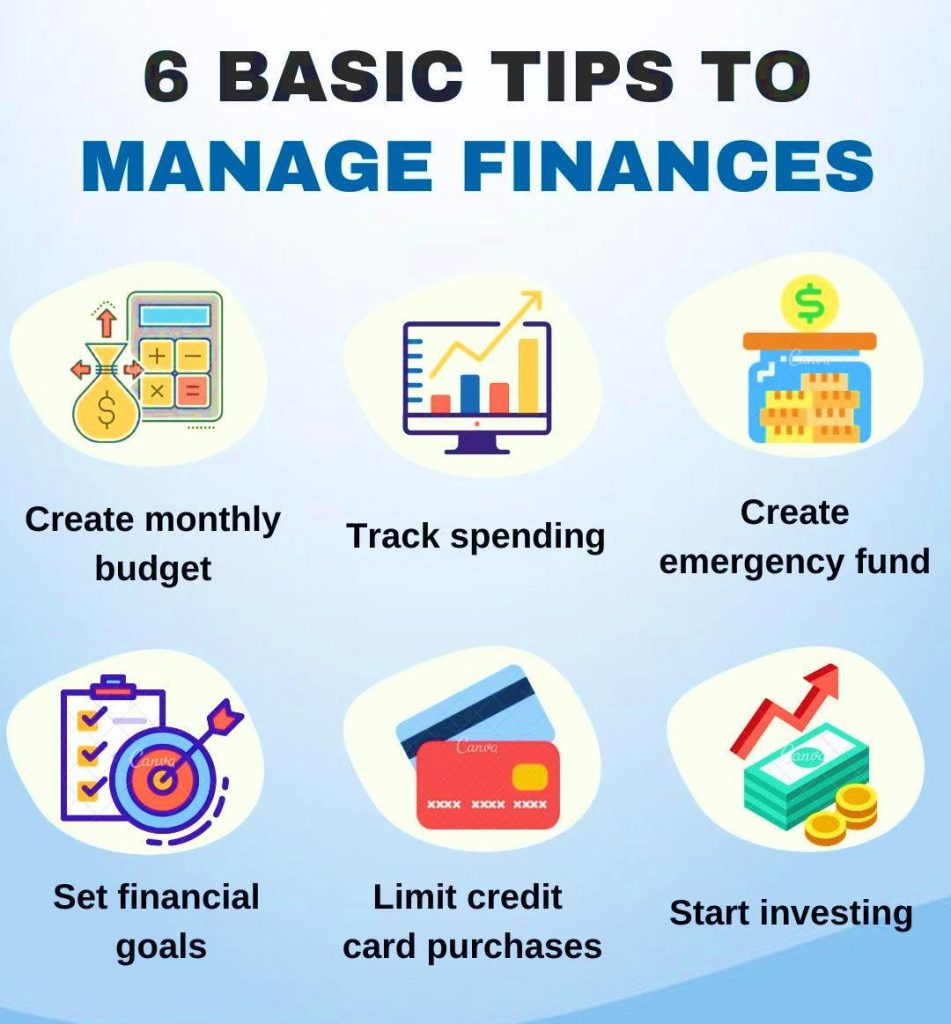
Create a budget prioritising essential bills like rent, medicines, groceries, car fuel and repairs, and other hygiene requirements. Cut spending on unnecessary aspects like subscriptions, eating out, mindless shopping, or taking on new credit cards. Here are other aspects that you should not overlook
- Stop the unnecessary direct debits which affect important bills
- Try to use cashbacks, rewards, and loyalty points for shopping
- Try to plan meals and groceries, and buy in bulk
- Sell unwanted items to increase savings
2) Protect your housing and credit
Identify the pending rental arrears if you cannot pay them now due to redundancy. The landlord may stop the rent payments or help you pay only the bare minimum. However, you would need to provide the assurance of repaying the remaining dues timely. Similarly, check the following aspects:
- Contact your mortgage and personal loan provider to improve loan repayment flexibility
- Check whether you may get a loan forbearance option in case of a mortgage
- Do not ignore the arrears letters
- Request temporary payment reductions and payment breaks.
- Avoid using high-cost credit for the time being.
3) Use your savings strategically
Most individuals have savings in the form of:
- Emergency funds
- Shares
- Bonds
- Equity
- SIPs
Thus, if you have any of these types of savings, then you can use the amount according to your needs. It may help you fund the essential bills like rent, food, and medicines. It thus helps you avoid reliance on high-cost, cost-credit loans and credit cards.
Avoid encashing pensions to meet your needs. Otherwise, it may impact the ROI (Return on Investment). Here is how to use the savings strategically;
- Use the entitled portal to understand your entitlements according to Reddit.
- Build a survival budget by keeping space for a mini emergency fund
- Prioritise high-interest debt
- Re-invest in your job search
- Consider government schemes
4) Try to reduce the Monthly Burn Rate
The Monthly Burn rate is the total amount of money that you spend each month. It is especially when you draw more from your savings when expenses exceed your income. In this case, you must:
- Re-negotiate the cost of utility bills, telephone bills, and insurance premiums
- Find a cheaper broadband and energy supplier
- Do not avoid tapping the tax refund after you file one
- Review the credits and relief through Revenue’s online services.
5) Maintain employability while spending
You need to work on increasing your employability by updating your skills. Check for the free and paid ways to do that.
| Free ways to upskill | Paid ways to upskill |
| Springboard+ Education and Training Boards Skillnet Ireland SkillUp by the government | University and College part-time Private Providers Apprenticeships.ie |
You may get more information about skill-up programs and courses on CitizenInformation.ie.
Additionally, try to find part-time income sources to fund the skilling-up fees. You may find gig work, part-time or contract-based jobs. You can check gigexchange.com, part-time, and LinkedIn for freelance and gig work in Ireland.
6) Get professional help if needed
If debts get unmanageable and you struggle with basic needs, seek professional help. You may turn to Money Advice and Budgeting Service, Zurich, Irish Life and AIB for help. Contacting any of these according to your financial requirements may help you avoid mounting debt. Moreover, it may help you get better solutions without spending a dime.
Bottom line
These are some of the best ways to manage your money after unemployment. Identify and define immediate actions to take after losing a job. It could be getting the dues from the company, making a budget and prioritising mental wellbeing. Next, turn to aspects which may help you with essential housing and shelter requirements.