QUICK ANSWER
| Creditworthiness is the loan provider’s appraisal of how likely you are to repay the dues in a timely. He considers factors like – income, credit score, employment history, and credit history length before approving the loan. It determines whether the person is responsible enough to make loan payments according to the agreement without affecting the basic budget. |
Whenever you apply for a car loan, mortgage, or even a credit card, you face certain checks. A provider conducts these checks to determine the amount you can comfortably pay back, given the current financial conditions and liabilities. Therefore, you do not get more than what you may repay comfortably. It decides the final terms and the interest rate that you may qualify for.
Knowing about creditworthiness in detail will help you prepare your profile before applying. What could be better than revealing your responsibility and potential to repay debts without much effort? Read ahead to know more.
What do you mean by creditworthiness?
Creditworthiness is a process of evaluating how likely the person is to default on a loan or a credit card bill. Creditors evaluate the creditworthiness to reduce the risk of default. It also helps them decide the risk percentage and provide terms accordingly. One should not confuse it with credit rating. Credit score and creditworthiness are two different terms.
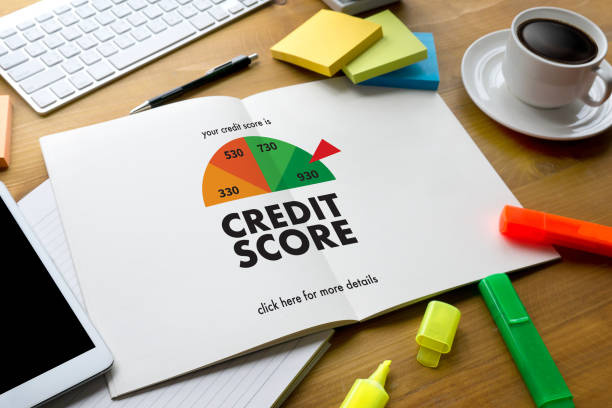
A credit score is a numerical representation of what your creditworthiness looks like. Meanwhile, creditworthiness means that you reveal responsible behaviour and are considered a trusted borrower based on different aspects.
How to check your creditworthiness?
There are different ways to check your creditworthiness. The first thing to do is request the latest copy of your credit report from a prime agency like Experian. You may get it for free. Identify your payment behaviour on your recent debts and credits.
Have you been regular with payments? Or do you have some dues pending? If yes, settle it to improve the final credit score. Here is what to do next to determine your creditworthiness:
1) Analyse your current credit score
Your credit score changes frequently with every payment you make or credit you take. Therefore, the credit score requirements may vary depending on the loan and the nature of the loan. For example, you usually need a good credit score to qualify for an unsecured loan. Alternatively, individuals with low credit scores may struggle to qualify.
You may be required to provide a guarantor to qualify. If you lack one, consistent income and fair credit may help you get loans without a guarantor in Ireland’s marketplace. Check the delinquencies and report them (if any). Eliminate any joint accounts that you hardly use. Update the change in residential address, contact number, and email if you have not since the date.
2) Check Income and employment status
Individuals with low and inconsistent income are less likely to qualify for a loan than those with regular earnings. This is because a fixed-income approach provides a guarantee of timely payment. Thus, focus on getting a regular and well-paid job. It should be able to support your current expenses and loan payments.
The higher the income, the higher the creditworthiness. It reveals your potential to borrow and repay the dues timely. Plus, a long-standing employment history reveals stable finances and responsible financial behaviour.
3) Determine Public records of financial inconsistencies
Aspects like bankruptcies, CCJs, foreclosure, insolvency, and defaults may affect the loan approval. These judgements make you less creditworthy in the creditor’s view. It reveals serious money problems. Such aspects showcase that you encounter trouble repaying the debts. Thus, you may struggle to qualify.
How to improve your creditworthiness to get a loan?
Improving creditworthiness means reducing the risk for the loan provider. The basic way to optimise it is by making timely payments on your debts. However, there are other things to consider:
1. Register to vote
If you have not registered for the electoral roll until now, do so. It is the prime reflection of your identity as a country citizen. 90% of loan rejections happen because individuals lack this document. Re-check the details, such as name, contact number, current residential address, and email, before applying. Apart from granting you voting rights, it helps you qualify for the loan.
2. Seek a full-time job if working part-time
Most individuals take up part-time work under grim circumstances like- studying, unemployment, or health issues. However, you should work towards getting a full-time once the situation improves. It increases your creditworthiness and lends depth to your employment history. It also improves your ability to afford the loan payments.
3. Use only 30% of available credit
The credit utilisation ratio is an important factor that contributes to creditworthiness. Having a ratio of less than 40% gives you instant loan approval at better terms. It is the ratio of your expenses to your income. The lower the debts, the lower the credit utilisation ratio. It reveals that you can exercise some flexibility if you encounter any financial emergency while on a loan term.
For example- determine and focus on every important expense and downsize on unnecessary ones. Here is what this may look like:
| Prioritise expenses | Avoid unnecessary expenses |
| Rent | Shopping for apparel |
| Utility bill | Frequent Weekend gateways |
| groceries | Unused subscriptions |
Determining and canceling unnecessary expenses improves your affordability. You may qualify for a higher amount at low interest and terms. Avoid using credit cards for emergencies. Instead, check small loans in Ireland immediately. It may help you qualify without impacting your credit score. You may get this without affecting your credit score.
4. Use a credit builder loan
Yes, you can consider a credit builder loan if you have pending debts, missed payments, loan defaults, or CCJs. All these issues reveal a bad credit history. You must update one before applying for any loan or a credit card. The best and quickest way to do so is by taking up a credit builder loan. You can get this personal loan to build credit over time and benefit from the interest on the savings. Yes, you can get the money back after depositing a fixed portion every month.
5. Keep your financial report up to date
Lastly, you must keep your financial profile updated. Scan every small expense you make and note it. It will help you analyse your monthly expenditure.
Check for the unnecessary ones and try to eliminate them. Identify any joint accounts that you use no longer. You can close these after discussing it with the co-holder. It might be affecting the credit; closing may help you boost one. Always request your free credit report from Experian twice a month. It will help you determine your next best actions and boost your credit rating.
Bottom line
Creditworthiness determines how likely you are to pay on loans and other financial products in a timely manner. The providers calculate it by basing it on multiple factors like credit score, employment history, income, and financial issues. It helps the other person analyse the amount you can pay back fairly without affecting your basic expenses.
Timely payments, improving income, and keeping the credit utilisation ratio low improves creditworthiness. You may qualify for low-interest loans and flexible terms.

Erin Delaney is a financial writer and content strategist with strong hold on personal finance and lending related topics. She is well aware of the fact that talking about money or loans can be stressful for borrowers. To help them make informed financial decisions, she has dedicated her 10 years of her career in making complex topics like loans, bad credit, etc., easy to understand for them.
Her speciality is to write clear, informative and reader-friendly content. She keeps herself updated with the latest trends happening in the lending industry to deliver information that is useful for the borrowers.